
Setting the Record Straight on COVID-19 Vaccines and Infertility
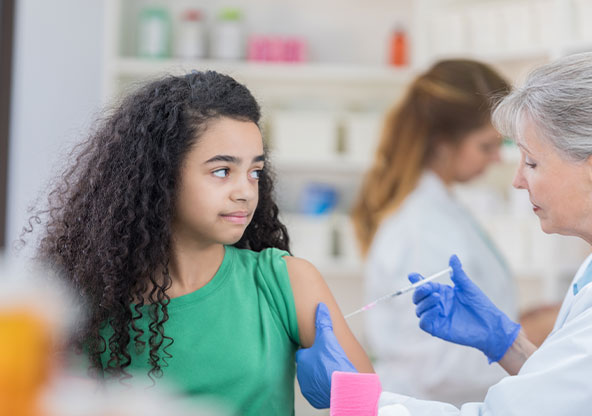
With so much information available about COVID-19 vaccines, parents, especially those with teenagers, may find themselves facing questions that can be difficult to answer.
One of the most common concerns among teens and parents is whether COVID-19 vaccines can cause infertility later in life.
Specialists at CHRISTUS Children's frequently address questions about vaccine safety, fertility and pregnancy.
“It’s unfortunate this rumor is swirling around because there’s zero evidence of this occurring. It’s a theoretical risk that’s never been shown in any animal model to exist.”
Understanding the Origin of the Misinformation
Concerns about fertility and COVID-19 vaccines stem from an early theory involving similarities between the coronavirus spike protein and a protein found in the placenta.
The concern suggested that antibodies created in response to COVID-19 could mistakenly affect the placenta and future pregnancies. However, research has not supported this theory. Studies evaluating pregnancies and placental health have not found evidence that COVID-19 vaccines negatively affect fertility or pregnancy outcomes.
As information spread online and through social media, the concern gained significant attention despite the lack of scientific evidence to support it.
“There are inherent risks with anything we put in our bodies, from vitamin supplements to coffee and even chicken nuggets and we don’t know how those substances will affect us 10-20 years from now. In the case of the vaccine, the benefits of getting it greatly outweigh the risks.”
A Development Process Years in the Making
Some teenagers and parents have questioned the safety of COVID-19 vaccines because of how quickly they became available.
While COVID-19 vaccines were developed and distributed faster than many people expected, the mRNA technology used in several vaccines had been studied for decades before the pandemic. In addition, the vaccines underwent extensive testing before being authorized for public use, and ongoing research continues to support their safety and effectiveness.
“The process was sped up because we needed an answer to help curb the pandemic. I think most of us are used to hearing vaccines take four to eight years to develop, but if you think about it, does it really have to take that long? With this vaccine, all of the red tape that researchers usually face was taken away which sped this vaccine up significantly while still keeping all of the safety protocols in place.”
Pregnant Women Should Get Vaccinated
While claims linking COVID-19 vaccines and infertility are not supported by evidence, COVID-19 infection can pose serious health risks during pregnancy. Health care organizations continue to encourage vaccination to help protect both mother and baby.
“There are few things more difficult than seeing a pregnant woman, and sometimes her baby if it happens when too early in pregnancy, die from a disease that could have been prevented with a vaccine.”
COVID-19 infection can also lead to serious complications in otherwise healthy children, adolescents and adults. Health care providers have seen cases of myocarditis, or inflammation of the heart, following COVID-19 infections in teens and young adults.
Understanding the risks and benefits of vaccination is an important part of making informed health care decisions. Families should seek information from trusted medical sources and talk with their health care providers when they have questions about vaccines.
“What it comes down to is getting COVID-19 and the possibility of becoming severely ill and dealing with the long-term effects of the virus versus getting the vaccine which carries minimal short-term. While we know the vaccine doesn’t cause infertility, what hasn’t been studied are the long-term effects of actually getting COVID-19,” said Deering. “Parents, especially teens, need to take the time to arm themselves with trustworthy information sources so they can help debunk some of the myths.”
Learn more about CHRISTUS Children's and the pediatric services available for children, teens and families.